




Empowering Africa’s Young Entrepreneurs

Kosmos Innovation Center is transforming dreams into thriving businesses in Ghana, Senegal, and Mauritania.
Join us as we invest in the future – one entrepreneur at a time.

Our Story

Kosmos Innovation Center helps fund small business ideas in Africa, especially for young entrepreneurs in Ghana, Senegal, and Mauritania. We are now a leading organisation driving positive change through empowerment and innovation. Watch the video and see more of how we are helping African innovators.

Funding for Small Business Ideas in Africa

Each Kosmos Innovation Center program is driven by local staff and private sector experts, resulting in a distinctive focus on commercial solutions and local knowledge. Our customized, best-in-class business support programs feature a mix of skills training, mentorship and seed funding.

We Inspire

We light a fire in young people… by training them to see opportunities that others miss, giving them the confidence to view themselves as entrepreneurs not employees and job creators instead of job seekers. We do it by delivering a best-in-class leadership and entrepreneurship program.

We Invest

We go all in … by providing a full life-cycle of support to the most promising entrepreneurs, start-ups, and small businesses. We do it through tailored coaching, skills building, expert mentorship, seed funding, and facilitating connections within and across industries.
We Transform

We go big … by positioning young entrepreneurs to tackle tough problems in key sectors and channeling their talent into innovative, private sector-led solutions. We do this through the Kosmos Innovation Center’s distinctive focus on commercial solutions and local knowledge.

Where We Work

Discover how Kosmos Innovation Center stands out in supporting and empowering young entrepreneurs in Ghana, Senegal, and Mauritania.

Ghana

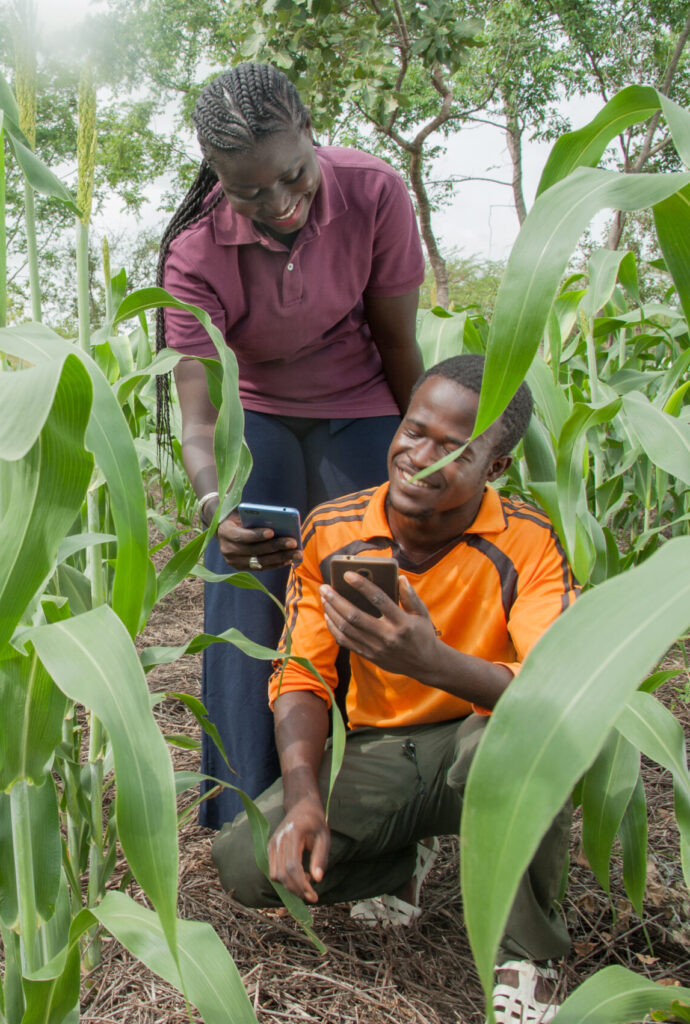
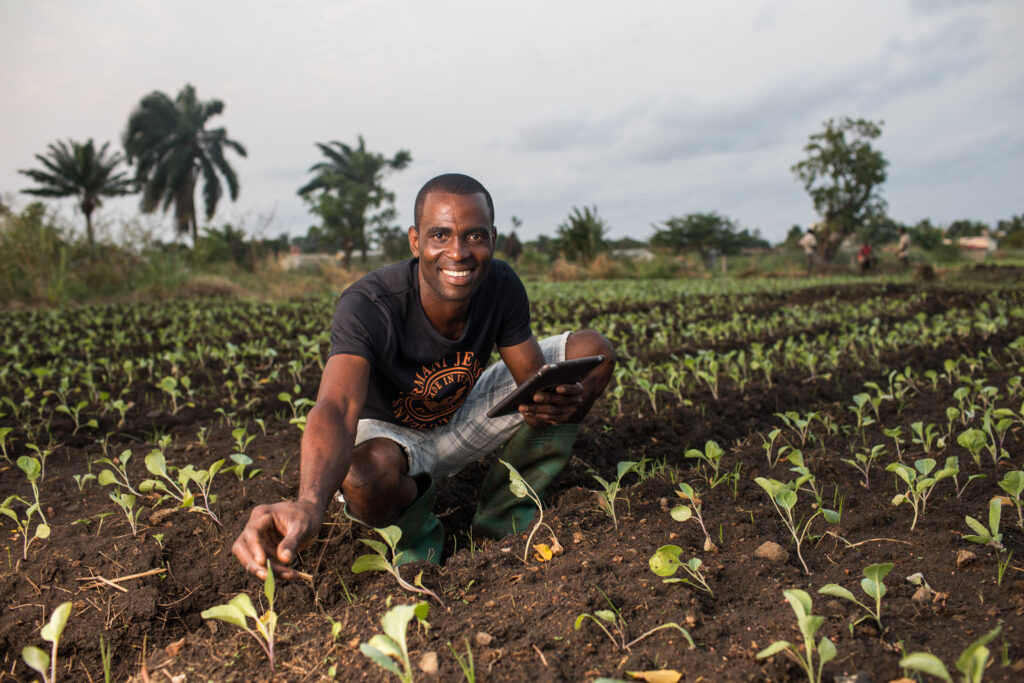
Established in 2016, Kosmos Innovation Center Ghana is helping to breathe new life into agriculture, transforming it into an engine of growth and job creation.

Find out more here.

Mauritania

Launched in 2018, the Kosmos Innovation Center Mauritania is helping young, entrepreneurial Mauritanians develop the skills to turn ideas into reality.

Find out more here.

Senegal

Kosmos Innovation Center Senegal is helping young business leaders in Senegal develop the technical skills needed to grow successful and sustainable businesses.

Find out more here.

Find Us and Follow Us

We love to connect with you online – like our Facebook page and share your thoughts.

Cover for Kosmos Innovation Center
120,375
Kosmos Innovation Center

Kosmos Innovation Center

The Kosmos Innovation Center (KIC) invests in young entrepreneurs and small businesses who have big ideas and want to see their country grow.

Comments Box SVG iconsUsed for the like, share, comment, and reaction icons
Friday FAQ: What Is World Environment Day and Why Should Small Businesses Care?

Every June 5, the world marks #WorldenvironmentDay. Its a day focused on pollution, waste, and climate change. But for small business owners, theres a more practical side to it that often gets missed.

Business costs and the environment are more connected than most people think.

When a food vendor stops buying single-use plastic, they spend less over time. When a small manufacturer pays attention to energy use, the monthly bill drops. When a delivery service plans its routes instead of winging it, it burns less fuel. These arent big sacrifices. Theyre just smarter choices that happen to help both the planet and the business.

Thats what World Environment Day is really getting at. Being sustainable, at the small business level is much simpler. It just means noticing where money is quietly slipping out and fixing it.

Small changes add up. Going digital with receipts, reusing packaging, cutting unnecessary waste. None of it will transform a business overnight, but over time it makes things run leaner.

The businesses that catch on to this early dont do it to make a statement. They do it because wasting less and spending less tend to go hand in hand.

So the question worth asking isnt really whether the environment matters to your business. Its whether youve been paying attention to the spots where it already does.

Friday FAQ: What Is World Environment Day and Why Should Small Businesses Care?

Every June 5, the world marks #WorldenvironmentDay. It's a day focused on pollution, waste, and climate change. But for small business owners, there's a more practical side to it that often gets missed.

Business costs and the environment are more connected than most people think.

When a food vendor stops buying single-use plastic, they spend less over time. When a small manufacturer pays attention to energy use, the monthly bill drops. When a delivery service plans its routes instead of winging it, it burns less fuel. These aren't big sacrifices. They're just smarter choices that happen to help both the planet and the business.

That's what World Environment Day is really getting at. Being sustainable, at the small business level is much simpler. It just means noticing where money is quietly slipping out and fixing it.

Small changes add up. Going digital with receipts, reusing packaging, cutting unnecessary waste. None of it will transform a business overnight, but over time it makes things run leaner.

The businesses that catch on to this early don't do it to make a statement. They do it because wasting less and spending less tend to go hand in hand.

So the question worth asking isn't really whether the environment matters to your business. It's whether you've been paying attention to the spots where it already does.
... See MoreSee Less

Can you put your finger on what actually moves the needle for business success? Read this and find out more.

Can you put your finger on what actually moves the needle for business success? Read this and find out more. ... See MoreSee Less

Friday FAQ: What Do “Micro”, “Small”, and “Medium” Businesses Actually Mean And Does It Matter?

As World MSME Day approaches, many young entrepreneurs hear the term “MSME” constantly. But what does it actually mean?
MSME stands for Micro, Small, and Medium Enterprises. These categories are usually based on how many employees a business has, how much revenue it generates, or the size of its operations.
Here is the simple breakdown. A micro business is often run by one person or a very small team. Think of a home bakery, a freelance designer, or a local delivery service. A small business may already have employees, steady customers, and more structured operations. A medium enterprise is larger still, with stronger systems, bigger revenue, and wider reach.
But does it actually matter what category your business falls under?
Well, yes - because these classifications often determine which grants, loans, training programs, and government support your business can access. Many opportunities are specifically designed for MSMEs because small businesses are recognized as major drivers of jobs and local economic growth.
At the same time, entrepreneurs should remember this: being “micro” is not a sign of failure. Every large company started somewhere small. What matters most is whether the business is building stability, consistency, and room to grow over time.
World MSME Day is ultimately a reminder that businesses do not need to start big to make a real economic impact.

Friday FAQ: What Do “Micro”, “Small”, and “Medium” Businesses Actually Mean And Does It Matter?

As World MSME Day approaches, many young entrepreneurs hear the term “MSME” constantly. But what does it actually mean?
MSME stands for Micro, Small, and Medium Enterprises. These categories are usually based on how many employees a business has, how much revenue it generates, or the size of its operations.
Here is the simple breakdown. A micro business is often run by one person or a very small team. Think of a home bakery, a freelance designer, or a local delivery service. A small business may already have employees, steady customers, and more structured operations. A medium enterprise is larger still, with stronger systems, bigger revenue, and wider reach.
But does it actually matter what category your business falls under?
Well, yes - because these classifications often determine which grants, loans, training programs, and government support your business can access. Many opportunities are specifically designed for MSMEs because small businesses are recognized as major drivers of jobs and local economic growth.
At the same time, entrepreneurs should remember this: being “micro” is not a sign of failure. Every large company started somewhere small. What matters most is whether the business is building stability, consistency, and room to grow over time.
World MSME Day is ultimately a reminder that businesses do not need to start big to make a real economic impact.
... See MoreSee Less

Load more

Make a Difference

Join us in our mission to uplift and empower young entrepreneurs across Ghana, Senegal, and Mauritania.

Scroll to Top